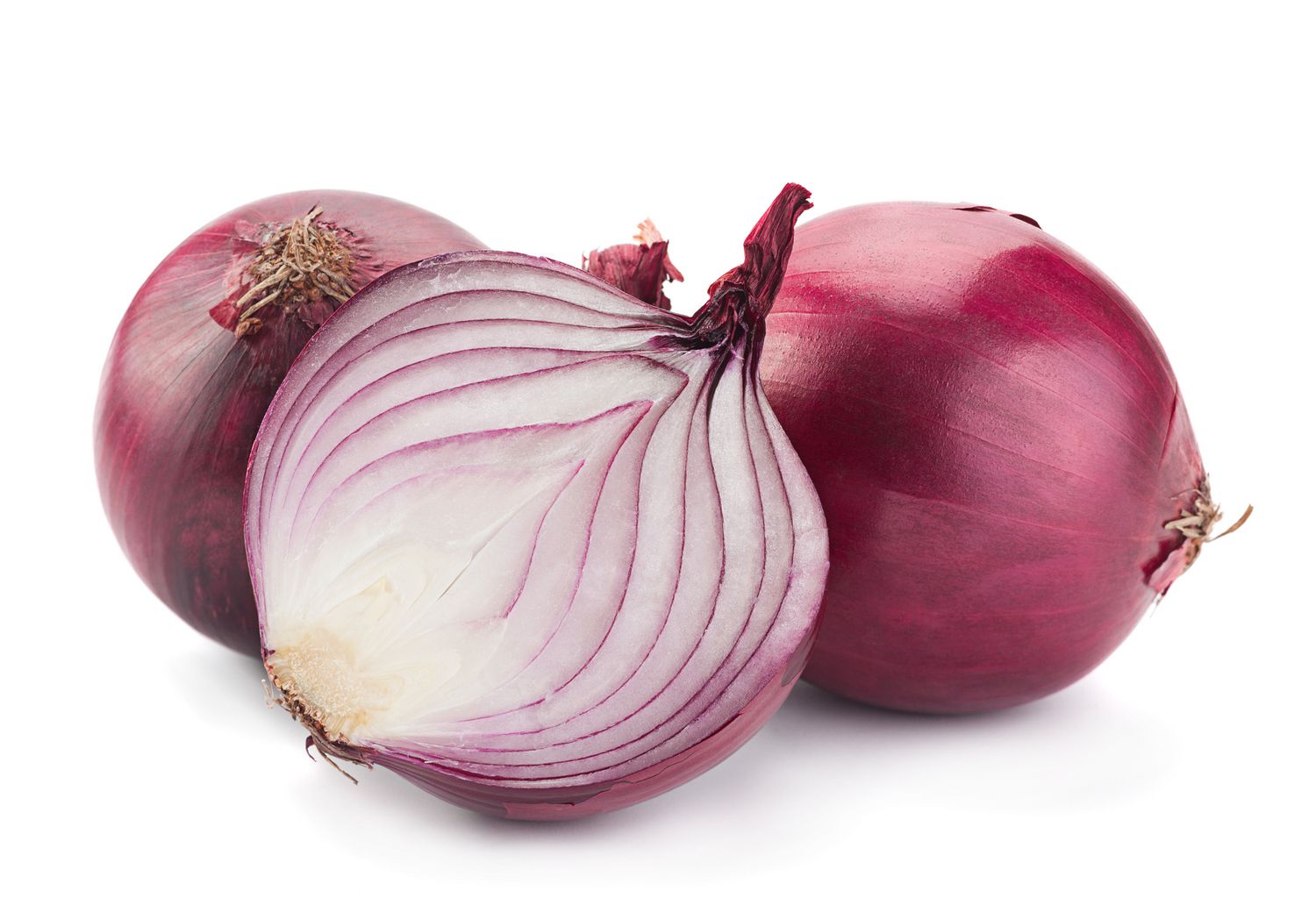
Onions

View cart “Tomato” has been added to your cart.

Onions

Quick description:

Impressive Health Benefits of Onions
  • Packed With Nutrients. Onions are nutrient-dense, meaning they’re low in calories but high in vitamins and minerals. …
  • May Benefit Heart Health. …
  • Loaded With Antioxidants. …
  • Contain Cancer-Fighting Compounds. …
  • Help Control Blood Sugar. …
  • May Boost Bone Density. …
  • Have Antibacterial Properties. …
  • May Boost Digestive Health.

Availability:

In Stock
Add To Inquiry

You May Also like

    White onions

    0 out of 5

    Their high levels of antioxidants give onions their distinctive sweetness and aroma. … Onions are low in calories (45 per serving), very low in sodium, and contain no fat or cholesterol. Furthermore, onions contain fiber and folic acid, a B vitamin that helps the body make healthy new cells.

    Impressive Health Benefits of Onions
    • Packed With Nutrients. Onions are nutrient-dense, meaning they’re low in calories but high in vitamins and minerals. …
    • May Benefit Heart Health. …
    • Loaded With Antioxidants. …
    • Contain Cancer-Fighting Compounds. …
    • Help Control Blood Sugar. …
    • May Boost Bone Density. …
    • Have Antibacterial Properties. …
    • May Boost Digestive Health.

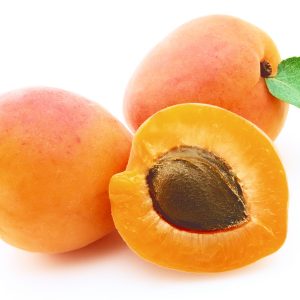
    Apricot

    0 out of 5

    Apricots are a wonderful way to protect your heart from a wide variety of diseases, including atherosclerosis, heart attacks, and strokes. A high amount of vitamin C, as well as potassium and dietary fiber, all contribute to good cardiovascular health.Apricots are a delicious fruit packed with vitamins, fiber, and antioxidants. They have multiple benefits, including improved eye, skin, and gut health.Dried fruit offers some benefits to fresh fruit: convenient, keeps well, and quickenergy boost. Research suggests that dried fruit provides rich sources of dietaryfiber and iron — particularly figs, raisins, dried plums, and apricots

    Tomato

    0 out of 5
    £15.00 £10.00

    The tomato (Solanum lycopersicum) is a fruit from the nightshade family native to South America. Despite botanically being a fruit, it’s generally eaten and prepared like a vegetable.Scientifically speaking, a tomato is definitely a fruit. True fruits are developed from the ovary in the base of the flower, and contain the seeds of the plant (though cultivated forms may be seedless). Blueberries, raspberries, and oranges are truefruits, and so are many kinds of nut.

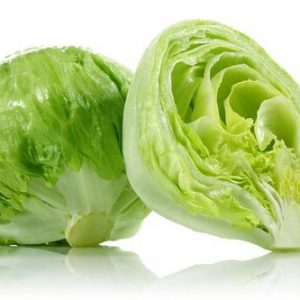
    Iceberg

    0 out of 5

    Although it’s low in fiber, it has a high water content, making it a refreshing choice during hot weather. It also provides calcium, potassium, vitamin C, and folate. The nutrients in iceberg lettuce can help you to meet the standard daily requirements for several vitamins and minerals.

    So while iceberg lettuce is low in calories and definitely not bad for you, it’s not thatgood either. … It has far more metabolism-boosting nutrients and is high in vitamin C. Also, beware of “frisée” lettuce in salads, which is much like iceberg and doesn’t offer a lot of nutritional value.