Red Bell Pepper

Red Bell Pepper

Category:

Quick description:

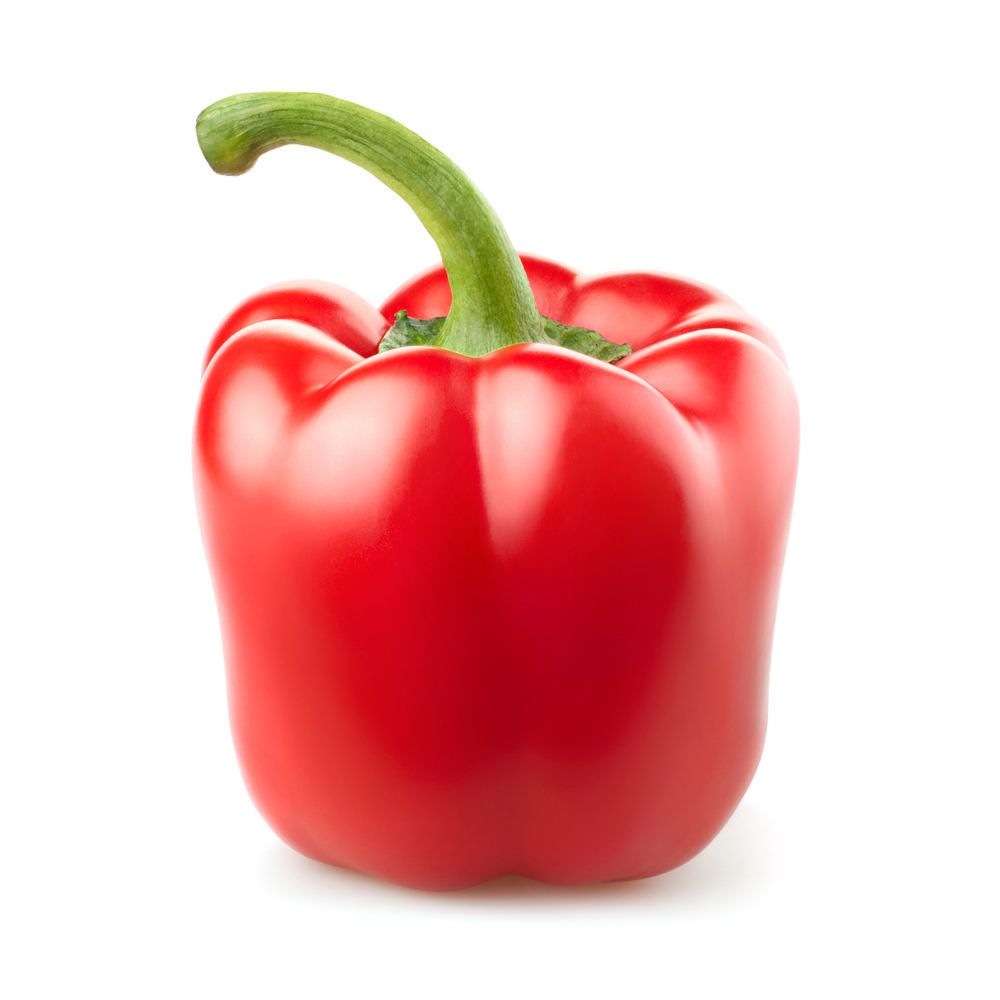
Red peppers pack the most nutrition, because they’ve been on the vine longest.Green peppers are harvested earlier, before they have a chance to turn yellow, orange, and then red. Compared to green bell peppers, the red ones have almost 11 times more beta-carotene and 1.5 times more vitamin C.

  • Here are five reasons to increase your red pepperconsumption:
  • Red peppers contain more than 200 percent of your daily vitamin C intake. …
  • Red bell peppers are a great source of vitamin B6 and folate. …
  • Red bell peppers help support healthy night vision. …
  • Red bell peppers are packed with antioxidants.

Availability:

In Stock
Add To Inquiry

You May Also like

    Iceberg

    0 out of 5

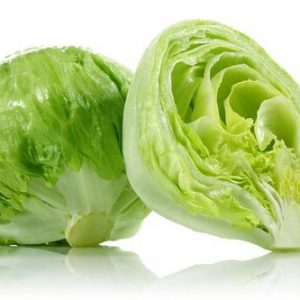
    Although it’s low in fiber, it has a high water content, making it a refreshing choice during hot weather. It also provides calcium, potassium, vitamin C, and folate. The nutrients in iceberg lettuce can help you to meet the standard daily requirements for several vitamins and minerals.

    So while iceberg lettuce is low in calories and definitely not bad for you, it’s not thatgood either. … It has far more metabolism-boosting nutrients and is high in vitamin C. Also, beware of “frisée” lettuce in salads, which is much like iceberg and doesn’t offer a lot of nutritional value.

    Cucumber

    0 out of 5

    They are low in calories but contain many important vitamins and minerals, as well as a high water content. Eating cucumbers may lead to many potential health benefits, including weight loss, balanced hydration, digestive regularity and lowerblood sugar levels.There are just 16 calories in a cup of cucumber with its peel (15 without). You will get about 4 percent of your daily potassium, 3 percent of your daily fiber and 4 percent of your daily vitamin C. They also “provide small amounts of vitamin K, vitamin C, magnesium, potassium, manganese and vitamin A

    Pumpkin

    0 out of 5

    Eating pumpkin is good for the heart. The fiber, potassium, and vitamin C content inpumpkin all support heart health. Studies suggest that consuming enough potassium may be almost as important as decreasing sodium intake for the treatment of hypertension, or high blood pressure.

    • Highly Nutritious and Particularly Rich in Vitamin A. …
    • High Antioxidant Content May Reduce Your Risk of Chronic Diseases. …
    • Packs Vitamins That May Boost Immunity. …
    • Vitamin A, Lutein and Zeaxanthin May Protect Your Eyesight. …
    • Nutrient Density and Low Calorie Count May Promote Weight Loss.

    White onions

    0 out of 5

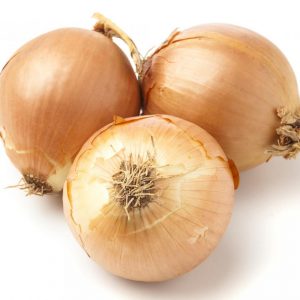
    Their high levels of antioxidants give onions their distinctive sweetness and aroma. … Onions are low in calories (45 per serving), very low in sodium, and contain no fat or cholesterol. Furthermore, onions contain fiber and folic acid, a B vitamin that helps the body make healthy new cells.

    Impressive Health Benefits of Onions
    • Packed With Nutrients. Onions are nutrient-dense, meaning they’re low in calories but high in vitamins and minerals. …
    • May Benefit Heart Health. …
    • Loaded With Antioxidants. …
    • Contain Cancer-Fighting Compounds. …
    • Help Control Blood Sugar. …
    • May Boost Bone Density. …
    • Have Antibacterial Properties. …
    • May Boost Digestive Health.