Garlic

Garlic

Quick description:

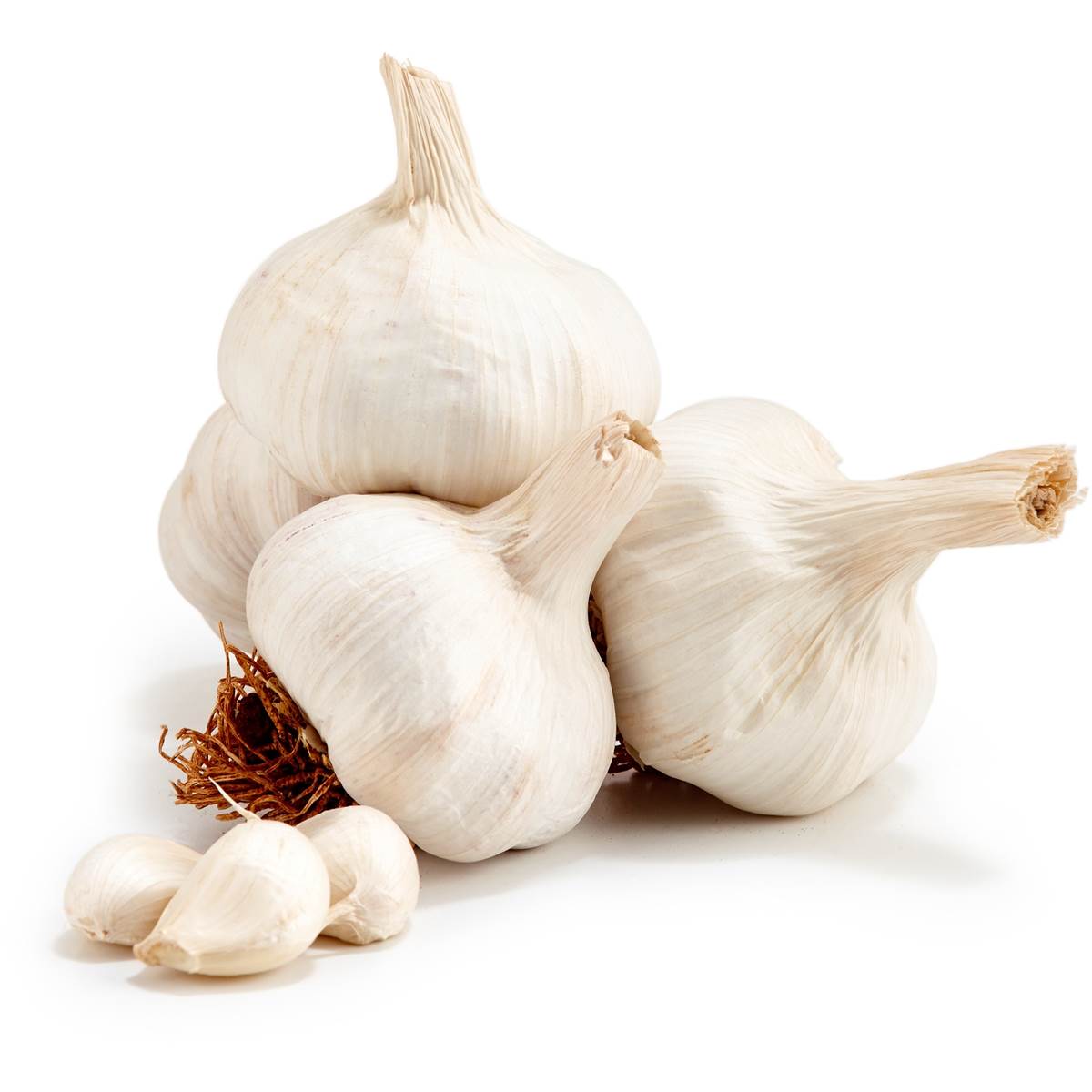
Garlic is an herb that is grown around the world. It is related to onion, leeks, and chives. It is thought thatgarlic is native to Siberia, but spread to other parts of the world over 5000 years ago. Garlic is used for many conditions related to the heart and blood system.
Proven Health Benefits of Garlic
  • Garlic Contains Compounds With Potent Medicinal Properties. …
  • Garlic Is Highly Nutritious But Has Very Few Calories. …
  • Garlic Can Combat Sickness, Including the Common Cold. …
  • The Active Compounds in Garlic Can Reduce Blood Pressure. …
  • Garlic Improves Cholesterol Levels, Which May Lower the Risk of Heart Disease.

Availability:

In Stock
Add To Inquiry

You May Also like

    Carrot

    0 out of 5

    Carrots contain vitamin Aantioxidants, and other nutrients. Evidence suggests that eating more antioxidant-rich fruits and vegetables, such as carrots, can help reduce the risks of cancer and cardiovascular disease. Carrots are also rich in vitaminsminerals, and fiber. It is crunchy, tasty, and highly nutritious. Carrots are a particularly good source of beta carotene, fiber, vitamin K1, potassium, and antioxidants (1). They also have a number of health benefits. They’re a weight-loss-friendly food and have been linked to lower cholesterol levels and improved eye health.

    Apricot

    0 out of 5

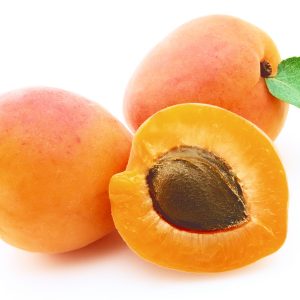
    Apricots are a wonderful way to protect your heart from a wide variety of diseases, including atherosclerosis, heart attacks, and strokes. A high amount of vitamin C, as well as potassium and dietary fiber, all contribute to good cardiovascular health.Apricots are a delicious fruit packed with vitamins, fiber, and antioxidants. They have multiple benefits, including improved eye, skin, and gut health.Dried fruit offers some benefits to fresh fruit: convenient, keeps well, and quickenergy boost. Research suggests that dried fruit provides rich sources of dietaryfiber and iron — particularly figs, raisins, dried plums, and apricots

    Tomato

    0 out of 5
    £15.00 £10.00

    The tomato (Solanum lycopersicum) is a fruit from the nightshade family native to South America. Despite botanically being a fruit, it’s generally eaten and prepared like a vegetable.Scientifically speaking, a tomato is definitely a fruit. True fruits are developed from the ovary in the base of the flower, and contain the seeds of the plant (though cultivated forms may be seedless). Blueberries, raspberries, and oranges are truefruits, and so are many kinds of nut.

    Potato

    0 out of 5
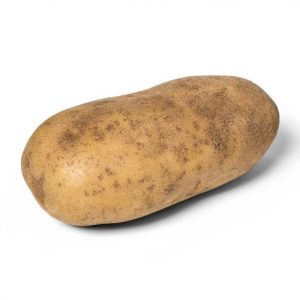
    Heart health. The potato’s fiberpotassiumvitamin C, and vitamin B6 content, coupled with its lack of cholesterol, all support heart health. Potatoes contain significant amounts of fiberFiber helps lower the total amount of cholesterol in the blood, thereby decreasing the risk of heart disease.
    Potatoes are naturally gluten-free and they’re packed with nutritional benefits needed for a healthy lifestyle.
    • Just 110 calories.
    • No fat, sodium or cholesterol.
    • Nearly half your daily value of vitamin C.
    • More potassium than a banana.
    • A good source of vitamin B6.
    • Fiber, magnesium and antioxidants.
    • Resistant starch.