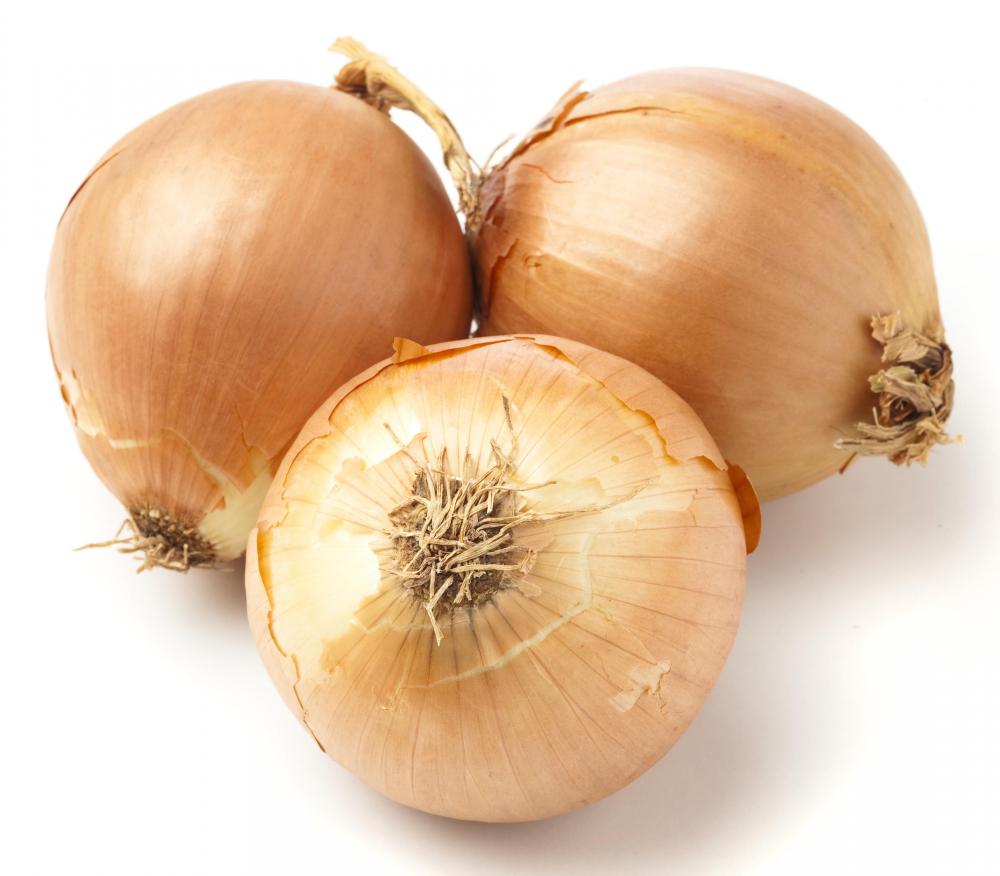
Brown Onion

Brown Onion

Category:

Quick description:

Yellow onions are the most popular cooking onions because they add excellent flavor to most stews, soups, and meat dishes. In fact, typically when a cooked recipe calls for onionyellow onion is a safe way to go. Yellow onions have a yellowbrown papery skin on the outside and a white flesh.

Impressive Health Benefits of Onions
  • Packed With Nutrients. Onions are nutrient-dense, meaning they’re low in calories but high in vitamins and minerals. …
  • May Benefit Heart Health. …
  • Loaded With Antioxidants. …
  • Contain Cancer-Fighting Compounds. …
  • Help Control Blood Sugar. …
  • May Boost Bone Density. …
  • Have Antibacterial Properties. …
  • May Boost Digestive Health.

Availability:

In Stock
Add To Inquiry

You May Also like

    Tomato

    0 out of 5
    £15.00 £10.00

    The tomato (Solanum lycopersicum) is a fruit from the nightshade family native to South America. Despite botanically being a fruit, it’s generally eaten and prepared like a vegetable.Scientifically speaking, a tomato is definitely a fruit. True fruits are developed from the ovary in the base of the flower, and contain the seeds of the plant (though cultivated forms may be seedless). Blueberries, raspberries, and oranges are truefruits, and so are many kinds of nut.

    Cucumber

    0 out of 5

    They are low in calories but contain many important vitamins and minerals, as well as a high water content. Eating cucumbers may lead to many potential health benefits, including weight loss, balanced hydration, digestive regularity and lowerblood sugar levels.There are just 16 calories in a cup of cucumber with its peel (15 without). You will get about 4 percent of your daily potassium, 3 percent of your daily fiber and 4 percent of your daily vitamin C. They also “provide small amounts of vitamin K, vitamin C, magnesium, potassium, manganese and vitamin A

    Red Bell Pepper

    0 out of 5

    Red peppers pack the most nutrition, because they’ve been on the vine longest.Green peppers are harvested earlier, before they have a chance to turn yellow, orange, and then red. Compared to green bell peppers, the red ones have almost 11 times more beta-carotene and 1.5 times more vitamin C.

    • Here are five reasons to increase your red pepperconsumption:
    • Red peppers contain more than 200 percent of your daily vitamin C intake. …
    • Red bell peppers are a great source of vitamin B6 and folate. …
    • Red bell peppers help support healthy night vision. …
    • Red bell peppers are packed with antioxidants.

    Green Bell Pepper

    0 out of 5

    They are referred to as paprika. They are low in calories and exceptionally rich in vitamin C and other antioxidants, making them an excellent addition to a healthy diet. Bell peppers come in various colors, such as red, yellow, orange, and green — which are unripe.